
Not all coffee is the same. This isn't snobbery — it's agricultural fact, and the difference between specialty grade and commodity coffee is measurable, meaningful, and something every coffee drinker deserves to understand.
The Specialty Coffee Association uses a 100-point scale to evaluate green (unroasted) coffee. Scores of 80 and above qualify as specialty grade. This assessment is performed by certified Q Graders — professionals trained to evaluate coffee on dozens of attributes including aroma, flavor, aftertaste, acidity, body, balance, and the absence of defects. It's rigorous, standardized, and globally respected.
The coffee most people drink — the kind in gas stations, average grocery store brands, and most office break rooms — scores somewhere in the 60s. It's commodity coffee, traded on global markets without traceability, blended to consistency rather than quality, and often grown and processed in ways that prioritize volume over craft.
Specialty grade coffee is the top 3% of coffee grown in the world. It's grown at higher elevations, harvested more selectively, processed with greater care, and roasted to highlight — not mask — the bean's natural characteristics. When you taste fruit, chocolate, or floral notes in a cup of coffee, that's not flavoring. That's what great coffee actually tastes like. My current daily cup is our bright Refuge - Costa Rica (Medium/Light Roast).
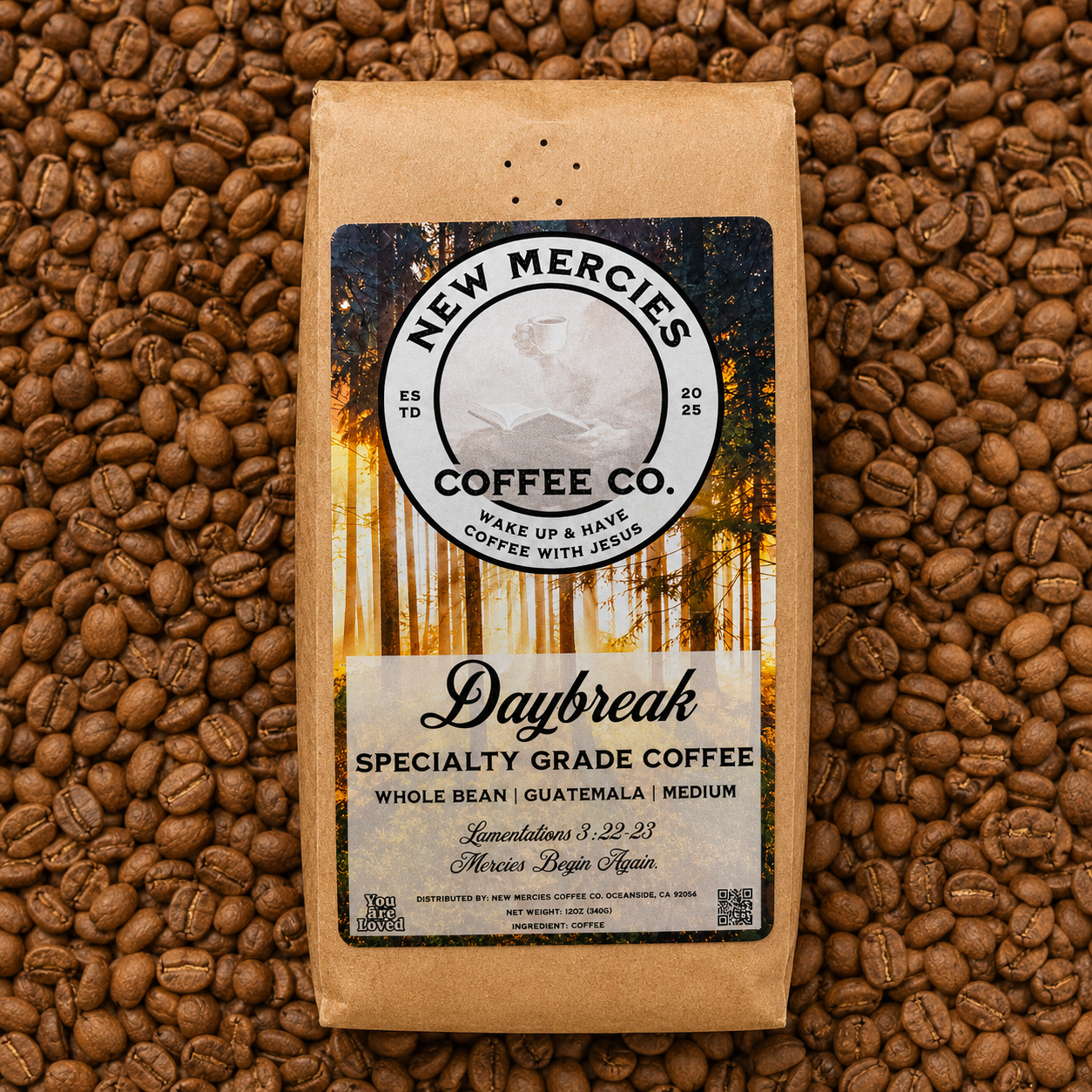
At New Mercies Coffee Co., we carry only specialty grade. It's not a marketing claim — it's a standard. Because when you're building a morning ritual worth protecting, what's in the cup matters.


Leave a comment
All comments are moderated before being published.
This site is protected by hCaptcha and the hCaptcha Privacy Policy and Terms of Service apply.